Light & Fluffy Whole Wheat Rosemary Bread: Your Ultimate Homemade Guide
Imagine a bread that offers the wholesome goodness of whole wheat, the aromatic embrace of fresh rosemary, and a texture so light and fluffy it melts in your mouth. This isn't just a dream; it's the reality of a perfectly crafted
rosemary bread with whole wheat. Often inspired by the irresistible, crusty yet tender loaves served in Italian restaurants, mastering this bread at home transforms any meal into a special occasion. Forget dense, heavy whole wheat breads; our guide focuses on achieving that coveted light crumb while still delivering all the nutritional benefits and incredible flavor.
Baking bread from scratch is a rewarding journey, and this particular recipe for
rosemary bread with whole wheat is a true winner. It combines the earthy depth of whole grains with the vibrant, piney notes of rosemary and the rich undertones of olive oil, creating a truly addictive loaf that will have friends and family clamoring for more. Whether you're dipping it in olive oil, slathering it with butter, or pairing it with your favorite Mediterranean dishes, this bread is destined to become a staple in your kitchen.
The Quest for Lightness: Blending Whole Wheat and Flavor
The magic behind a truly light and fluffy
whole wheat rosemary bread lies in understanding the nature of its core ingredient: whole wheat flour. While incredibly nutritious, whole wheat flour contains bran and germ, which have sharper edges compared to all-purpose flour. These sharp particles can cut gluten strands, making it harder for the dough to develop a strong, elastic network that traps air and creates a light texture. This often results in a denser, heavier loaf – a common challenge for many aspiring whole wheat bakers.
Furthermore, 100% whole wheat can sometimes overpower more delicate flavors. While delicious in its own right, the robust, nutty taste of pure whole wheat can occasionally compete with or even mask the subtle, fragrant notes of fresh rosemary. Our goal is to create a harmonious balance where neither element dominates, but rather enhances the other.
This is where the strategic blend of whole wheat flour and all-purpose (AP) flour comes into play. By incorporating a portion of AP flour, we achieve several key benefits:
* **Improved Gluten Development:** AP flour, being finer and lacking the abrasive bran, allows for a more supple and elastic gluten structure. This elasticity is crucial for trapping the gases produced by the yeast, leading to a higher rise and a significantly lighter, airier crumb.
* **Enhanced Texture:** The combination results in a bread that is tender and fluffy on the inside, with that desirable slight chewiness, yet still boasts a satisfyingly crisp crust.
* **Optimal Flavor Balance:** The milder profile of AP flour allows the distinctive aroma and taste of rosemary to shine through more prominently, creating a perfectly balanced flavor experience. The earthy notes of the whole wheat still provide depth, but they no longer "overpower" the star herb.
Experimenting with ratios is key to personal preference. While a common and effective starting point is often a 2:1 ratio of whole wheat to all-purpose flour, you can adjust this slightly. For an even lighter loaf, you might lean towards a 1.5:1 ratio, and for a slightly heartier (but still lighter than 100% whole wheat) loaf, you could go up to 2.5:1. This thoughtful blending is the secret to unlocking a truly exceptional
light whole wheat rosemary bread.
A Taste of the Mediterranean: Rosemary, Olive Oil, and Beyond
When we talk about
rosemary bread with whole wheat, we're not just discussing ingredients; we're evoking a culinary tradition rooted in the sun-drenched landscapes of the Mediterranean. Rosemary and olive oil are more than just components in this recipe; they are a timeless pairing, a "match made in heaven" that forms the backbone of countless Mediterranean dishes.
Rosemary, an evergreen shrub native to the region, boasts needle-like leaves that are intensely aromatic and flavorful. Its bitter, piney notes add a unique kick, transforming simple ingredients into something extraordinary. While dried rosemary can be used, fresh rosemary is highly recommended for this bread. The difference in flavor is astounding – fresh sprigs release a more vibrant, fragrant, and less astringent taste that truly elevates the loaf. If you have a rosemary bush nearby, consider yourself lucky; fresh herbs picked just before baking offer unparalleled aroma.
Olive oil, the other half of this powerful duo, contributes much more than just a healthy fat. It infuses the bread with its distinctive fruity and peppery notes, adding richness, moisture, and a tender crumb. Beyond its incredible flavor, both rosemary and olive oil are lauded for their health benefits, rich in antioxidants and anti-inflammatory compounds. This makes our
healthy Mediterranean whole wheat rosemary bread recipe not just delicious, but genuinely good for you.
But the Mediterranean influence doesn't stop there. Our recipe often includes other subtle additions that enhance the overall flavor profile:
* **Flax Seed:** A fantastic addition, flax seeds contribute a delicate nutty flavor, additional fiber, and omega-3 fatty acids. They also help to retain moisture in the bread, contributing to that desired soft interior.
* **Garlic Powder:** Just a pinch of garlic powder adds a foundational savory note that complements both the rosemary and olive oil without overpowering them. It's that subtle whisper of umami that makes the bread so incredibly moreish.
* **Black Pepper:** A touch of freshly ground black pepper adds a gentle warmth and a very subtle spice that rounds out the flavor profile beautifully.
These ingredients come together to create a symphony of flavors that is both comforting and sophisticated, transporting your senses directly to the heart of the Mediterranean with every bite of this fragrant
rosemary bread with whole wheat.
Crafting Your Loaf: Step-by-Step Perfection
Baking a magnificent
rosemary bread with whole wheat is an accessible pleasure, and following these steps carefully will ensure a truly light and fluffy result.
1. **Activate the Yeast (The Foundation of Fluffiness):**
Start by combining warm water (around 105-115°F or 40-46°C), granulated sugar, and dry yeast in a mixing bowl. The sugar feeds the yeast, and the warm water wakes it up. Let this mixture sit for 5-10 minutes. You'll know your yeast is active and ready when it becomes foamy and bubbly. If it doesn't bubble, your water might have been too hot (killing the yeast) or too cold (not activating it), or your yeast might be expired. Start again if it's not bubbly!
2. **Combine and Knead (Developing the Gluten):**
In a separate, larger mixing bowl, whisk together your whole wheat flour, all-purpose flour, salt, garlic powder, chopped fresh rosemary, and flax seed. Make a well in the center and pour in the olive oil. Now, slowly add the activated yeast mixture to the dry ingredients. Mix with a spoon or your hands until a shaggy dough forms.
Turn the dough out onto a lightly floured surface. Knead the dough for about 8-10 minutes. Kneading is crucial for developing the gluten structure, which will give your bread its elasticity and ability to rise. The dough should become smooth, elastic, and spring back when gently poked. If you prefer, a stand mixer with a dough hook can do this work for you in about 6-8 minutes on medium speed.
3. **The First Rise (Proofing for Volume):**
Lightly oil a clean bowl and place your kneaded dough inside, turning it once to coat. Cover the bowl tightly with plastic wrap or a clean damp dishcloth. Place it in a warm, draft-free spot (like a slightly warm oven that's turned off, or near a sunny window) for about 1 hour, or until the dough has doubled significantly in size. This first rise allows the yeast to work its magic, creating air pockets that contribute to the bread's lightness.
4. **Punch Down and Shape (Refining the Texture):**
Once doubled, gently "punch down" the dough. This releases the large gas bubbles, redistributes the yeast, and creates a finer, more even crumb. Turn the dough out onto a lightly floured surface and gently shape it into a round loaf. The goal is to create a taut "skin" on the outside of the loaf to help it hold its shape during the second rise and baking.
5. **The Second Rise (Final Proof for Airiness):**
Carefully transfer the shaped loaf to a baking sheet lined with parchment paper or dusted with flour. Cover it again with a dishcloth and let it rise for another 30-45 minutes. This second rise, known as proofing, ensures the bread will be light and airy. It should look noticeably larger and feel soft and springy to the touch.
6. **Bake to Golden Perfection:**
Preheat your oven to 350°F (175°C). Just before placing the loaf in the oven, use a baking brush to gently brush the top with a little extra virgin olive oil. For an artisanal touch, you can place a few small fresh rosemary sprigs in the center of the loaf for decoration (be mindful they can char slightly). Bake for approximately 25-30 minutes, or until the crust is a beautiful golden brown and the internal temperature reaches 200-210°F (93-99°C).
7. **Cool and Enjoy:**
Once baked, remove the bread from the oven and transfer it to a wire rack to cool for at least 10-15 minutes before slicing. This cooling period is crucial; it allows the internal structure of the bread to set and prevents a gummy texture. The aroma filling your kitchen will be pure bliss!
For those looking for an even simpler approach, you might explore a
No-Knead Whole Wheat Rosemary Bread: Easy Artisan Recipe, which offers a different method to achieve artisan results with minimal effort, perfect for busy bakers.
Enhancing the Experience: Serving Suggestions and Pairings
Once your fragrant
rosemary bread with whole wheat emerges from the oven, cooled and ready, the possibilities for enjoyment are endless. Its versatility allows it to shine in a multitude of culinary contexts.
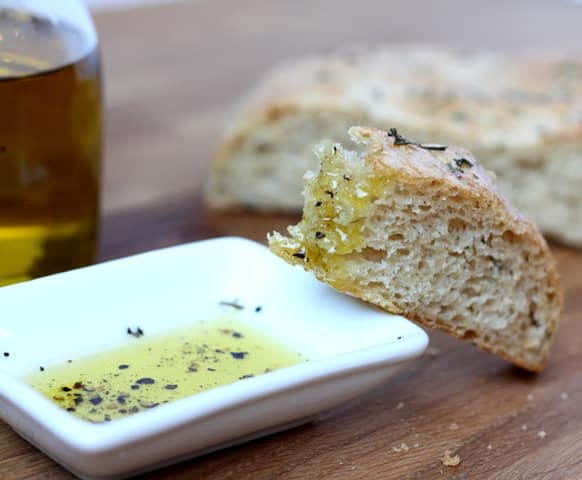
The most classic and perhaps most satisfying way to enjoy this bread is simply with a good quality extra virgin olive oil. Pour a generous amount into a small dish, add a grind of fresh black pepper, and perhaps a sprinkle of sea salt or even a splash of balsamic vinegar (a 3:1 oil-to-vinegar ratio is often perfect). The crunchy crust and soft interior soak up the oil beautifully, creating an exquisite bite.
Beyond dipping, consider these delightful pairings:
* **With Soups and Stews:** The robust flavor of this bread makes it an excellent accompaniment to hearty soups, stews, and chili. It's perfect for sopping up every last drop of flavorful broth. Think minestrone, lentil soup, or a rich beef stew.
* **Alongside Grilled Fish or Chicken:** Echoing its Mediterranean roots, this bread pairs wonderfully with simply grilled fish or roasted chicken. The rosemary notes complement the savory proteins beautifully.
* **As Part of a Cheese Board:** Slice it thinly and serve it with an assortment of cheeses, olives, cured meats, and fig jam for an elegant appetizer or light meal.
* **Breakfast or Brunch:** Slather warm slices with butter, a drizzle of honey, or even a poached egg for a luxurious start to your day.
* **Turn it into Bruschetta:** For a fresh summer appetizer, lightly toast slices, rub with a cut garlic clove, drizzle with olive oil, and top with diced ripe tomatoes, fresh basil, and a touch of balsamic glaze.
* **Croutons or Breadcrumbs:** Don't let any stale bits go to waste! Cube leftover bread, toss with olive oil and seasonings, and bake until crisp for homemade croutons. Or process into breadcrumbs for future use in meatballs, gratins, or breading.
The sheer joy of tearing into a freshly baked loaf of
fluffy rosemary whole wheat bread is a culinary experience in itself. Its inviting aroma and comforting flavor are sure to make it a cherished part of your home baking repertoire.
Conclusion
Creating your own light and fluffy
whole wheat rosemary bread is a truly rewarding endeavor that brings the warmth and aroma of an artisan bakery right into your home. By thoughtfully combining whole wheat and all-purpose flours, embracing the timeless Mediterranean pairing of rosemary and olive oil, and following a few simple steps, you can achieve a loaf that is both wholesome and incredibly delicious. This bread isn't just sustenance; it's an experience – a crusty exterior yielding to a tender, aromatic crumb that's perfect for dipping, pairing, or simply savoring on its own. So roll up your sleeves, gather your ingredients, and embark on the delightful journey of baking this extraordinary rosemary bread; your taste buds will thank you.