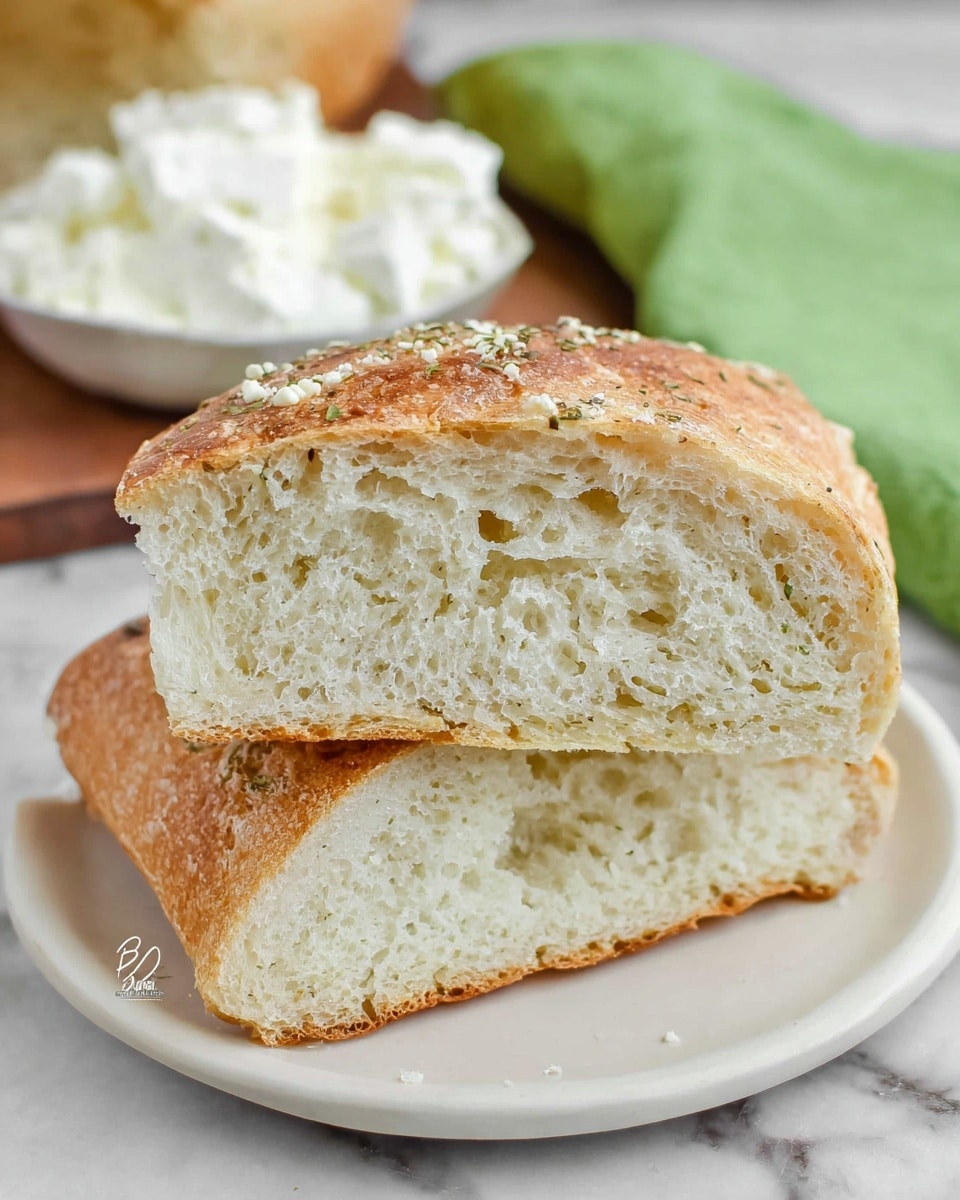
Unlock Your Inner Baker: No-Knead Whole Wheat Rosemary Bread, an Easy Artisan Delight
Imagine the aroma of freshly baked bread filling your home – a comforting scent that promises warmth and deliciousness. Now, imagine achieving that artisan quality, complete with a chewy crust and soft, airy interior, without the vigorous arm workout of traditional kneading. This is the magic of Light & Fluffy Whole Wheat Rosemary Bread: The Ultimate Guide, a simple yet sophisticated creation that brings the essence of the Mediterranean to your kitchen: the no-knead whole wheat rosemary bread.
For those who adore the fragrant notes of rosemary paired with the wholesome goodness of whole wheat flour, this recipe is a game-changer. It's a delightful twist on classic bread, offering a heartier texture than an all-purpose flour loaf, yet maintaining a desirable lightness. Whether you're a seasoned baker or just starting your bread-making journey, this foolproof method will empower you to create a loaf that's not only incredibly tasty but also impressive to share with friends and family.
The Effortless Art of No-Knead Baking
The concept of "no-knead" bread might sound too good to be true, but it's a revolutionary technique that has transformed home baking. The secret lies in time. Instead of relying on manual kneading to develop gluten strands, the no-knead method allows a long, slow fermentation process to do all the heavy lifting. This extended rest, often overnight or for several hours, gives the yeast ample time to work its magic, naturally strengthening the gluten network and infusing the dough with a deeper, more complex flavor.
This approach isn't just about saving effort; it's about optimizing flavor and texture. The slow fermentation contributes to a more open crumb structure, characterized by those beautiful, irregular air pockets synonymous with artisan loaves. The result is a bread with a wonderfully chewy crust and a remarkably tender, moist interior – qualities often difficult to achieve with quicker, more conventional methods. It truly makes homemade rosemary bread with whole wheat accessible to everyone, regardless of their baking experience.
Crafting Your Perfect Rosemary Whole Wheat Loaf
The beauty of this recipe lies in its simplicity, but a few key ingredients and insights ensure a stellar outcome every time. Our goal is a bread that balances the robust flavor of whole wheat with the aromatic punch of fresh rosemary, enhanced by the rich fruitiness of olive oil.
Choosing Your Flour Blend: Hearty vs. Light
One of the most crucial decisions for your rosemary bread with whole wheat is the flour ratio. While a 100% whole wheat loaf offers undeniable health benefits and a deep, rustic flavor, it can sometimes result in a denser texture and a stronger wheat taste that might overshadow the delicate rosemary notes. Many, including myself, find that a combination of whole wheat flour and all-purpose (AP) flour yields the best of both worlds:
- 100% Whole Wheat: Expect a truly hearty, dense bread with a pronounced nutty flavor. This is excellent for those who love robust, rustic loaves and aren't afraid of a stronger wheat presence.
- Whole Wheat & All-Purpose Blend: This is often the preferred choice for a lighter, softer loaf with a more balanced flavor profile, allowing the rosemary to shine. It creates a texture closer to the renowned bread served at places like Romano's Macaroni Grill, but with the added nutritional benefits of whole wheat. A good starting point is a 2:1 or 3:1 ratio of whole wheat to AP flour. For instance, using 1½ cups whole wheat flour with ½ cup all-purpose flour offers a wonderful compromise.
Feel free to experiment with these ratios to find your personal preference. Each variation offers a unique character to your homemade bread.
The Mediterranean Duo: Rosemary and Olive Oil
The stars of this show are undoubtedly fresh rosemary and good quality olive oil. These two ingredients are a classic Mediterranean pairing for a reason:
- Rosemary: This evergreen shrub, native to the Mediterranean, boasts bitter, needle-like leaves that release an incredible aroma and unique, slightly piney flavor. While dried rosemary can be used in a pinch, freshly chopped rosemary is highly recommended. It provides a vibrant, potent flavor that elevates the bread from good to extraordinary. Since fresh rosemary is available year-round, making it a staple for your baking is easy and rewarding.
- Olive Oil: Far more than just a fat, olive oil is a flavor powerhouse. Its fruity, sometimes peppery notes complement rosemary perfectly, adding depth and richness to the dough. It also contributes to the bread's moist interior and helps achieve that desirable crunchy crust, especially when brushed on before baking.
Together, they create a savory, aromatic experience that transports your taste buds straight to the sun-drenched coasts of the Mediterranean.
Essential Ingredients & Steps for Your Artisan Loaf
Here’s a guideline for the ingredients and a simplified approach to making your no-knead rosemary bread with whole wheat:
Ingredients:
- 1 cup warm water (around 105-115°F or 40-46°C)
- 1 tablespoon granulated sugar (feeds the yeast)
- 2¼ - 3 teaspoons active dry yeast (one standard packet)
- 2 tablespoons extra virgin olive oil (plus more for brushing)
- 1½ cups whole wheat flour
- ½ cup all-purpose flour (for a lighter loaf, adjust ratio as desired)
- 3 tablespoons fresh rosemary, finely chopped
- 1¼ teaspoons fine sea salt
- Pinch of garlic powder (optional, but highly recommended for depth)
- Pinch of freshly ground black pepper (optional)
- 1 tablespoon flax seeds (optional, for added texture and nutrition)
Simplified Instructions:
- Activate the Yeast: In a large mixing bowl, combine the warm water, sugar, and yeast. Stir gently and let it sit for about 10 minutes. You should see a foamy, bubbly layer forming on top, indicating your yeast is active and ready to go.
- Combine & Mix (No Kneading!): Add the olive oil, whole wheat flour, all-purpose flour, chopped rosemary, salt, garlic powder, black pepper, and flax seeds (if using) directly into the yeast mixture. Using a sturdy spatula or wooden spoon, mix until just combined and no dry streaks of flour remain. The dough will be shaggy and sticky – this is perfect for a no-knead bread!
- First Rise (Bulk Fermentation): Cover the bowl tightly with plastic wrap or a damp kitchen towel. Place it in a warm, draft-free spot (like an oven with the light on) for 1 to 2 hours, or until the dough has doubled in size. For a deeper flavor, you can also place it in the refrigerator for 8-18 hours for a slower, colder rise.
- Shape the Loaf: Gently transfer the risen dough onto a lightly floured surface. Using floured hands, carefully shape it into a round or oblong loaf. Avoid excessive handling; you want to preserve the air bubbles created during the rise.
- Second Rise (Proofing): Place the shaped dough onto a parchment-lined baking sheet or into a well-floured proofing basket (banneton). Cover lightly with a dishcloth and let it rise again for 30-45 minutes, or until noticeably puffy.
- Bake to Perfection: Preheat your oven to 350°F (175°C) with a rack in the center. Just before baking, brush the top of your loaf generously with olive oil. For an extra touch of elegance, you can place a few small rosemary sprigs on top.
- Bake for 25-35 minutes, or until the crust is golden brown and the internal temperature reaches 200-210°F (93-99°C).
- Cool: This step is crucial! Remove the bread from the oven and let it cool on a wire rack for at least 10-15 minutes before slicing. Cooling allows the internal structure to set and prevents a gummy texture.
Tips for a Flawless Bake and Delectable Serving Suggestions
Achieving artisan-quality bread at home is incredibly rewarding, and a few expert tips can make all the difference:
- Don't Overmix: For no-knead bread, less is more. Mix just until the ingredients are incorporated. Overmixing can develop too much gluten too quickly, leading to a tougher crumb.
- Temperature Matters: Ensure your water is the right temperature for yeast activation. Too hot will kill it, too cold won't activate it. Your rising environment should also be warm and consistent.
- Listen to Your Dough: Rise times are guidelines. Pay attention to the dough's appearance – it should double in size and be visibly puffy.
- Invest in Fresh Rosemary: It truly makes a noticeable difference in flavor and aroma.
- Cool Completely (or Mostly): While it's tempting to dive into warm bread, allowing it to cool helps the starches set, resulting in a better texture and easier slicing.
Once your glorious rosemary bread with whole wheat is ready, the serving possibilities are endless. It's incredibly versatile:
- Dipping Delight: Serve warm, torn pieces alongside a small bowl of high-quality extra virgin olive oil, perhaps with a sprinkle of cracked black pepper or a splash of balsamic vinegar (a 3:1 oil-to-vinegar ratio is perfect). This is a classic Mediterranean presentation, reminiscent of your favorite Italian restaurant.
- Simply Scrumptious: Enjoy with a generous slather of butter while still warm. The melting butter combines with the rosemary and whole wheat for a truly comforting bite.
- Savory Accompaniment: It makes an exceptional side to grilled fish, roasted chicken, hearty soups, stews, or even a simple fresh salad. The savory profile complements a wide range of main courses. For even more inspiration, explore our Healthy Mediterranean Whole Wheat Rosemary Bread Recipe for perfect pairings.
- Breakfast or Snack: Toast a slice and top with avocado, a fried egg, or even a drizzle of honey for a sweet and savory treat.
Conclusion
Baking your own artisan bread doesn't have to be an intimidating endeavor. This no-knead rosemary bread with whole wheat recipe proves that with minimal effort and a little patience, you can create a truly spectacular loaf that rivals any bakery. Its crunchy crust, soft interior, and the irresistible fragrance of fresh rosemary and olive oil make it a staple you'll want to bake again and again. So, gather your ingredients, embrace the simplicity of the no-knead method, and get ready to enjoy the unparalleled satisfaction of pulling a golden-brown, aromatic loaf from your own oven. Happy baking!
