Embrace the Mediterranean: Why This Healthy Whole Wheat Rosemary Bread is a Must-Try
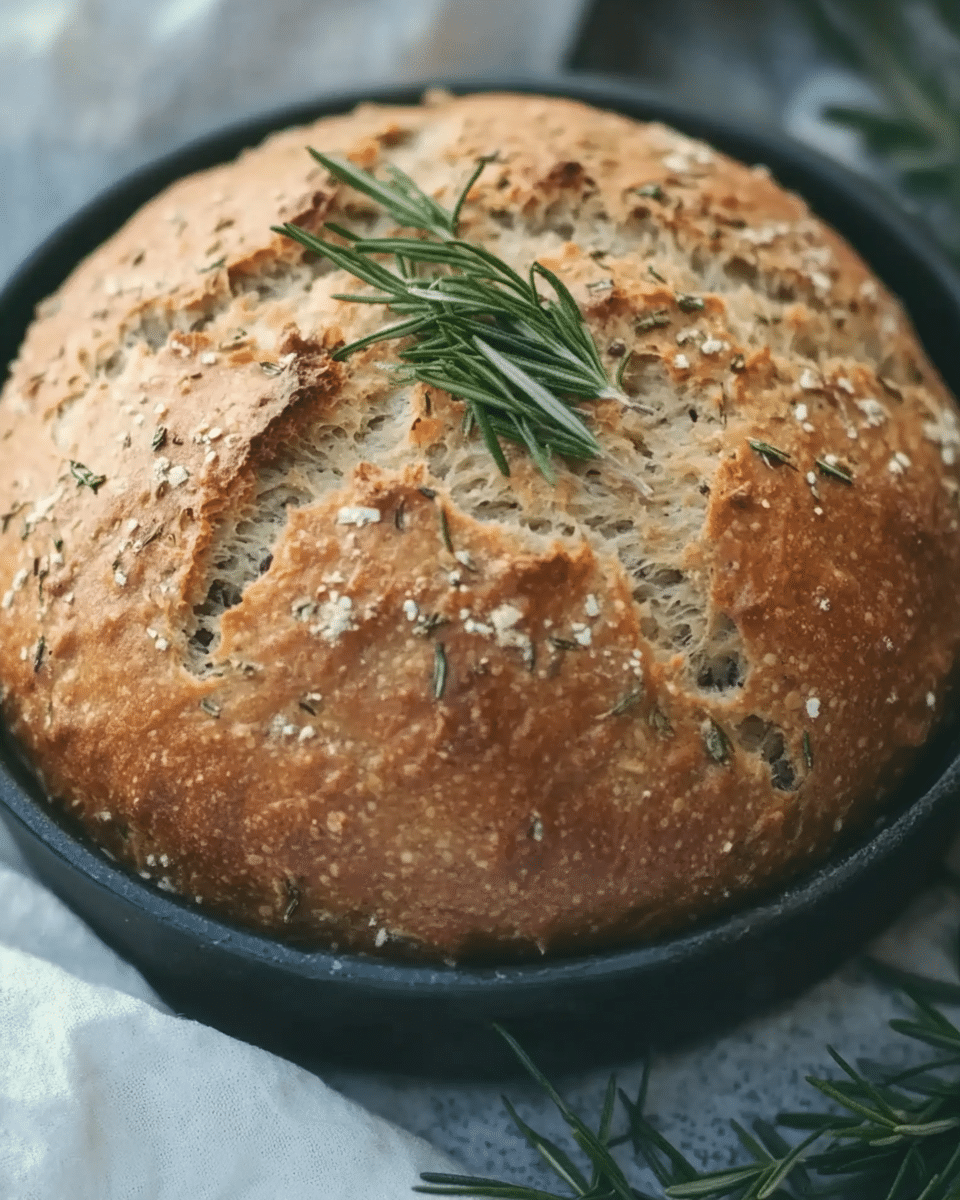
Imagine a warm, fragrant loaf, its crust perfectly crisp, its interior soft and aromatic with the herbaceous scent of fresh rosemary. This isn't just any bread; it's a taste of the Mediterranean, a wholesome delight that brings both flavor and health to your table. Our recipe for a healthy rosemary bread with whole wheat flour captures the essence of this beloved cuisine, offering a nourishing alternative to traditional white bread without sacrificing an ounce of taste or texture.
Inspired by the popular restaurant favorite, we've perfected a homemade version that balances the rich, earthy notes of whole wheat with the distinctive, aromatic kick of rosemary. Many bakers aiming for a healthier loaf often find that 100% whole wheat bread can be overly dense or that the strong wheat flavor can sometimes overwhelm delicate herbs. Our secret lies in a carefully considered blend of flours, ensuring you achieve that desired light, fluffy texture while still harnessing the nutritional benefits of whole grains. This approach ensures your rosemary bread with whole wheat is not only incredibly flavorful but also wonderfully inviting, making it a frequently requested favorite among friends and family.
The magic of this bread truly unfolds with its key ingredients: fresh rosemary and robust extra virgin olive oil. Rosemary, an evergreen shrub native to the Mediterranean, boasts bitter, needle-like leaves available fresh year-round, adding a unique, peppery warmth to any dish. Paired with olive oil, another cornerstone of Mediterranean cooking, these two form a culinary powerhouse, creating a harmonious flavor profile that is both sweet and savory, and undeniably addictive when dipped in a little more oil and cracked black pepper.
Crafting Your Perfect Loaf: Ingredients for Authentic Whole Wheat Rosemary Bread
Creating this healthy Mediterranean loaf is a delightful journey, beginning with a simple yet powerful list of ingredients. Each component plays a vital role in achieving the perfect balance of flavor, texture, and wholesome goodness in your rosemary bread with whole wheat.
Essential Ingredients:
- 1 cup Warm Water: Crucial for activating the yeast. Ensure it's warm to the touch, not hot, to avoid killing the yeast.
- 1 tbsp Granulated Sugar: Feeds the yeast, helping it to activate and proof effectively.
- 3 tsp Dry Yeast: The leavening agent that gives your bread its rise and airy texture.
- 2 tbsp Olive Oil: Adds richness, moisture, and that distinctive Mediterranean flavor. Use a good quality extra virgin olive oil for the best results.
- 1 ½ cups Whole Wheat Flour: Provides fiber, nutrients, and a hearty, nutty flavor profile. This is the foundation of our healthy bread.
- ½ cup All-Purpose Flour: The secret to a lighter crumb! Blending with whole wheat flour helps prevent the bread from becoming too dense, creating a soft, fluffy interior that's still wonderfully wholesome. For those who love a lighter texture, exploring variations is easy; check out our guide on Light & Fluffy Whole Wheat Rosemary Bread: The Ultimate Guide.
- 3 tbsp Fresh Rosemary, chopped: Absolutely essential for that vibrant, aromatic flavor. Fresh rosemary is highly recommended over dried for its superior taste and fragrance.
- Pinch of Salt: Enhances all the other flavors in the bread.
- Pinch of Garlic Powder: A subtle addition that complements the rosemary and olive oil, deepening the savory notes.
- Pinch of Freshly Ground Black Pepper: Adds a hint of warmth and a gentle bite.
- Optional: 1 tbsp Flax Seed: A fantastic addition for extra nutrition, providing omega-3s and added fiber. It also helps bind the dough slightly.
The combination of whole wheat flour with a touch of all-purpose flour is key to achieving a bread that is both nutritious and incredibly palatable, addressing the common challenge of overly dense 100% whole wheat loaves while still delivering on health benefits.
Step-by-Step Baking Guide: Achieving Your Dream Rosemary Bread
Baking homemade bread is a rewarding experience, and with these clear instructions, you'll be enjoying your fresh rosemary bread with whole wheat in no time. This recipe is designed to be straightforward, even for novice bakers.
- Activate the Yeast: In a medium mixing bowl, combine the warm water, granulated sugar, and dry yeast. Stir gently and let it sit undisturbed for about 10 minutes. You'll know the yeast is active and ready when the mixture becomes bubbly and frothy on top. This crucial step ensures your bread will rise beautifully.
- Combine Dry & Wet Ingredients: In a separate large mixing bowl, whisk together the whole wheat flour, all-purpose flour, salt, garlic powder, chopped fresh rosemary, and black pepper. If using, add the flax seed here. Make a well in the center and pour in the 2 tablespoons of olive oil.
- Form the Dough: Gradually add the activated yeast mixture to the flour and olive oil mixture. Using a sturdy spoon or your hands, mix until a shaggy dough forms. Transfer the dough to a lightly floured surface and knead for 8-10 minutes. Kneading is essential for developing the gluten, which gives the bread its structure and chewiness. Continue until the dough is smooth, elastic, and forms a cohesive ball.
- First Rise (Bulk Fermentation): Lightly oil a clean bowl. Place the dough ball inside, turning it once to coat with oil. Cover the bowl tightly with plastic wrap or a clean kitchen towel. Place it in a warm, draft-free spot (like a slightly warmed oven that’s been turned off, or near a sunny window) to rise for 1 hour, or until the dough has doubled in size. This first rise develops much of the bread's flavor.
- Punch Down & Shape: Once doubled, gently "punch down" the dough to release the air. Transfer it to a lightly floured surface. Form the dough into a round, rustic loaf shape. Take your time to create an even, taut surface, which will help the bread hold its shape during baking.
- Second Rise (Proofing): Transfer the shaped loaf to a baking sheet lined with parchment paper or lightly dusted with flour. Cover the dough loosely with a dishcloth and let it rise again for 30-45 minutes, or until visibly puffy and increased in size. This second rise contributes to a tender crumb.
- Prepare for Baking: Preheat your oven to 350°F (175°C). Just before placing the bread in the oven, use a baking brush to lightly coat the top of the loaf with a little extra olive oil. For an extra decorative touch and an intensified aroma, you can gently press a few small sprigs of fresh rosemary into the top of the loaf.
- Bake to Perfection: Place the baking sheet with the loaf into the preheated oven. Bake for approximately 25-30 minutes, or until the top is golden brown and sounds hollow when tapped on the bottom. An internal temperature of 190-200°F (88-93°C) also indicates doneness.
- Cool & Serve: Once baked, remove the bread from the oven and transfer it to a wire rack. Allow it to cool for at least 10-15 minutes before slicing. Cooling is crucial, as it allows the internal structure of the bread to set and prevents a gummy texture.
Tips for Success & Variations: Elevate Your Whole Wheat Rosemary Bread
Achieving the perfect loaf of rosemary bread with whole wheat can be even more rewarding with a few extra tips and ideas for customization. Whether you're aiming for a specific texture or want to experiment with flavors, these insights will help.
Mastering Texture and Flavor:
- For a Lighter, Fluffier Loaf: Our recipe uses a blend of whole wheat and all-purpose flour specifically to achieve a lighter, softer crumb. If you desire an even lighter texture, you could slightly increase the ratio of all-purpose flour, perhaps to 1 cup AP flour and 1 cup whole wheat flour. Remember that more whole wheat will result in a denser loaf. For an even more in-depth exploration of achieving specific textures, consider our Light & Fluffy Whole Wheat Rosemary Bread: The Ultimate Guide.
- Enhancing Rosemary Flavor: Always opt for fresh rosemary. Finely chop it to distribute its flavor evenly throughout the dough. You can also slightly increase the amount of rosemary to 4 tablespoons if you love a pronounced herbal note. Lightly crushing the rosemary before chopping can also release more of its essential oils.
- Achieving a Crispy Crust: Brushing with olive oil before baking not only adds flavor but also helps create that beautiful golden, slightly crunchy crust. For an extra crispy crust, you can place a shallow pan of hot water on the bottom rack of your oven during the first few minutes of baking to create steam.
- The 100% Whole Wheat Challenge: While our recipe uses a blend, if you're set on a 100% whole wheat version, be prepared for a denser, heartier bread with a more pronounced wheat flavor. It might require slightly more liquid and longer kneading to develop the gluten. This can be a satisfyingly robust bread, especially if you embrace its wholesome character. For a different approach to hearty, healthy bread, explore recipes like a No-Knead Whole Wheat Rosemary Bread: Easy Artisan Recipe which often achieve great results with minimal effort.
Creative Variations:
- Adding Cheese: Fold in ½ cup of grated Parmesan or crumbled feta cheese during the last minute of kneading for a savory twist.
- Sun-Dried Tomatoes: Incorporate ¼ cup of finely chopped, oil-packed sun-dried tomatoes (drained) for an extra burst of Mediterranean flavor.
- Olives: Add ½ cup of pitted and chopped Kalamata or green olives for a briny, salty complement.
- Garlic Lover's Delight: Increase the garlic powder, or sauté 1-2 cloves of minced fresh garlic in a teaspoon of olive oil and add to the dough mixture.
Experimentation is part of the joy of baking! Don't be afraid to adjust ingredients slightly to suit your personal taste preferences and discover your own perfect loaf.
Serving Suggestions & The Mediterranean Experience
Once your healthy rosemary bread with whole wheat emerges golden and fragrant from the oven, the possibilities for enjoyment are endless. This versatile loaf is a star in its own right, but it truly shines when paired with other Mediterranean-inspired dishes.
- Simply Dip It: The most classic and perhaps best way to enjoy this bread is still warm, dipped in a bowl of good quality extra virgin olive oil, perhaps with a dash of balsamic vinegar, a sprinkle of fresh cracked black pepper, or even a pinch of red pepper flakes for a subtle kick. This simple act embodies the Mediterranean spirit.
- Accompaniment to Meals: Its robust flavor makes it an ideal companion for a variety of main courses. Serve it alongside grilled fish, a hearty lentil soup, or a vibrant chicken and vegetable stew. It's also magnificent with pasta dishes, perfect for soaking up rich sauces.
- Open-Faced Sandwiches: Slice thick pieces and top with fresh mozzarella, sliced tomatoes, basil, and a drizzle of olive oil for a quick Caprese-style bite. Or, use it as the base for avocado toast, perhaps with a fried egg and a sprinkle of flaky sea salt.
- Cheese Boards & Spreads: This bread is a natural fit for a Mediterranean-themed charcuterie or cheese board. Pair it with soft cheeses like goat cheese or harder ones like Manchego, alongside olives, cured meats, and fig jam. It's also delicious with hummus, baba ghanoush, or other savory spreads.
- Breakfast Delight: Don't underestimate its potential for breakfast! While savory, a warm slice slathered with butter or a touch of honey can be an unexpectedly delicious start to your day, especially with a cup of strong coffee or herbal tea.
No matter how you choose to enjoy it, this homemade rosemary bread with whole wheat brings the warmth, health, and conviviality of Mediterranean dining directly to your home. It’s more than just a recipe; it’s an invitation to savor wholesome, delicious food.
Conclusion: Savoring Your Homemade Healthy Loaf
Baking your own healthy Mediterranean rosemary bread with whole wheat is a truly rewarding experience, transforming simple ingredients into a flavorful masterpiece that nourishes both body and soul. From the intoxicating aroma that fills your kitchen to the satisfying crunch of its crust and the tender chew of its interior, every step of the process is a delight. By embracing whole grains and the vibrant flavors of the Mediterranean, you create a bread that is not only incredibly delicious and versatile but also contributes to a healthier lifestyle. So, roll up your sleeves, gather your ingredients, and embark on this wonderful baking adventure. We promise, once you've tasted this homemade wholesome loaf, it will quickly become a cherished staple in your kitchen, eagerly awaited by all who gather around your table.
